


How to Write an Artist Grant Proposal: A Step-by-Step Guide
Updated: Oct 1

An artist can spend years developing a creative voice and still lose a funding opportunity in the first few minutes of review.
That does not always mean the work was weak. Sometimes, the application simply made the reviewer work too hard to understand it.
A strong artist grant proposal translates your vision into a clear, credible plan. It explains what you intend to create, why it matters, how you will complete it, who will experience it, and exactly what the funding will make possible.
The goal is not to exaggerate your work or force it into language that no longer sounds like you. The goal is to make the value of your work impossible to misunderstand.
What Is an Artist Grant Proposal?
An artist grant proposal is a written case for investing in your creative work.
Depending on the opportunity, an application may include:
A project narrative
An artist statement
A biography, résumé, or CV
A project timeline
A detailed budget
Work samples
Letters of support
Partner confirmations
An audience or community-engagement plan
An explanation of the project’s anticipated impact
Reviewers are rarely evaluating one answer in isolation. They are looking at whether every part of the application supports the same central idea.
Your narrative describes the project. Your timeline proves that it can be completed. Your budget demonstrates that you understand what it will cost. Your work samples show that you have the artistic ability to carry it out.
Together, these materials should communicate one clear message:
This work matters. This artist is prepared. The plan is realistic. This particular opportunity is the right investment at the right time.

Step 1: Confirm That the Grant Fits Your Work
Before writing anything, read the complete guidelines.
Eligibility is not something you can overcome with strong writing. Many funders check eligibility and completeness before an application ever reaches a review panel. Missing documents, ineligible expenses, incorrect project dates, or failure to meet a matching requirement can remove an otherwise strong proposal from consideration. The National Endowment for the Arts identifies these administrative mistakes as common reasons applications fail.
Confirm:
Who is permitted to apply
Eligible locations and residency requirements
Accepted artistic disciplines
Career-stage or enrollment restrictions
Eligible project dates
Whether individuals, collectives, or nonprofits can apply
Fiscal-sponsorship requirements
Eligible and prohibited expenses
Required matching funds
Required work-sample formats
Every deadline and time zone
Do not reshape your entire artistic practice simply to chase available money. The strongest grant relationship begins with alignment.
Step 2: Study the Review Criteria
The application questions tell you what to submit. The review criteria tell you how your answers will be judged.
Some grants prioritize artistic excellence. Others emphasize community engagement, experimentation, professional development, cultural impact, feasibility, or the importance of funding at a pivotal moment.
Read the criteria before drafting and return to them while editing.
If the funder assigns scores or percentages, use that structure to decide where your strongest information belongs. A grant that heavily weights artistic merit requires exceptional work samples and a clear artistic vision. A grant focused on feasibility requires a convincing timeline, team, budget, and implementation plan.
Your proposal should answer the funder’s actual questions—not the questions you hoped they would ask.
Step 3: Define the Project in One Clear Sentence
Before writing the full narrative, describe the project in one sentence.
Use this structure:
I will create [specific work] through [process or activity] for [audience or purpose] during [time and place], resulting in [clear outcome].
For example:
Between January and June 2027, I will create a series of twelve large-scale portraits documenting longtime residents of my neighborhood, culminating in a free public exhibition and recorded oral-history archive.
This sentence identifies the work, scale, subject, timeline, audience, and result.
Compare that with:
I want to create a powerful art project about community and identity.
The second sentence may be sincere, but it leaves the reviewer with unanswered questions. What are you creating? How many works? Which community? Why now? Where will the work be presented? What will the grant actually support?
Clarity does not reduce the power of an idea. It gives the idea structure.
Step 4: Write the Project Narrative
A strong project narrative should answer six fundamental questions:
What are you creating?
Describe the form, scale, subject, materials, and final presentation.
Do not assume the reviewer understands your process. Explain specialized language without overwhelming the reader with theory.
Why does the project matter?
Identify the question, story, community, artistic investigation, or cultural need behind the work.
Avoid broad claims such as “this project will change the world.” Explain the specific contribution the project will make.
Why is this the right moment?
Show what has brought the project to its current stage.
Perhaps you completed preliminary research, gained access to an important location, established a partnership, developed a new body of work, or reached a turning point in your practice.
How will you complete it?
Explain your creative process, major activities, collaborators, production needs, and project phases.
Who will experience or benefit from it?
Define the intended audience. If the project includes public programming, education, accessibility, or community participation, explain how people will engage with it.
Why are you prepared?
Connect your previous work, experience, relationships, and artistic development to the proposed project.
Your résumé establishes experience. Your work samples demonstrate ability. The narrative should explain why those experiences have prepared you for this specific undertaking.
The most effective language is direct and concrete. NYFA’s application guidance similarly recommends explaining the work in simple terms and answering the practical who, what, when, where, why, and how.
Step 5: Build a Realistic Timeline
A timeline transforms an idea into a sequence of achievable actions.
Divide the project into stages:
Research and planning
Creative development
Production
Collaboration or community engagement
Installation, publication, performance, or release
Promotion and audience outreach
Documentation
Evaluation and reporting
Use actual months or date ranges whenever possible.
Every major activity mentioned in your narrative should appear in the timeline. Every major timeline activity should be reflected in the budget.
A six-month project should not contain twelve months of work. A public installation should account for permits, fabrication, transportation, installation, insurance, and removal when applicable.
Ambition is valuable. Unrealistic scope is not.
Step 6: Create a Budget That Tells the Same Story
A budget is not separate from your proposal. It is the financial version of your narrative.
If your proposal describes a collaborative photography project, the budget should reflect photography, artist and collaborator fees, equipment, travel, editing, printing, installation, documentation, and promotion as applicable.
Include:
Artist fees
Collaborator and contractor fees
Materials and supplies
Equipment purchases or rentals
Studio or venue costs
Travel and transportation
Fabrication
Insurance and permits
Accessibility services
Marketing and outreach
Documentation
Administrative or contingency costs when permitted
Use realistic numbers and explain unusual expenses.
Clearly identify:
Confirmed income
Pending grants
Personal contributions
In-kind support
Sponsorships
Remaining funds to be raised
If the application requires a balanced budget, total income must equal total expenses. If it requires matching funds, show the match correctly.
Do not remove your own compensation simply to make the project appear less expensive. If artist fees are eligible, paying yourself demonstrates that you understand the true value of the labor required.

Step 7: Select Work Samples Strategically
Your work samples are evidence.
Choose work that is:
Strong
Recent
Professionally documented
Relevant to the proposed project
Consistent enough to communicate a recognizable practice
Presented in the required format
Lead with your strongest example. Reviewers may be evaluating many applications, and the opening sample establishes their first impression.
For video and audio, provide the exact requested duration and useful timestamps. Test every link and password. Keep access active throughout the review period.
For visual work, include accurate titles, dates, materials, dimensions, and short descriptions. Avoid crowded composite images unless the funder specifically permits them.
Your samples do not need to show the completed project before it exists. They need to demonstrate that you possess the artistic voice, skills, judgment, and experience required to realize it.
Recent NYFA work-sample guidance emphasizes beginning with polished, distinctive work and building a cohesive presentation.
Step 8: Make Every Supporting Document Serve a Purpose
Your supporting materials should strengthen the proposal without repeating it word for word.
Artist statement
Explains the ideas, questions, materials, and motivations guiding your overall practice.
Artist biography
Presents your creative path as a concise narrative.
Artist CV or résumé
Documents your exhibitions, performances, publications, commissions, awards, residencies, education, and relevant professional experience.
Letters of support
Confirm partnerships, venues, permissions, collaborators, or community relationships.
Portfolio
Shows the broader development and consistency of your practice.
A project proposal explains what you are about to do. An artist statement explains the larger practice from which that project emerges.
Step 9: Protect Your Individual Voice
Writing should sound clear and professional, but it should still sound like you.
Digital writing tools can help organize notes, identify repetition, check grammar, or test whether a general reader understands the proposal. They should not erase the specificity of your experience or replace your artistic voice with generic language.
Reviewers remember concrete details, honest motivations, and distinctive perspectives. They do not remember a proposal filled with fashionable terms that could describe anyone’s work.
Use assistance to sharpen your voice—not manufacture one.
Common Artist Grant Application Mistakes
Avoid:
Applying to a grant that does not fit the project
Reusing the same generic proposal without tailoring it
Beginning with a long autobiography instead of the project
Using theory or jargon before explaining the work
Making claims without evidence
Describing an audience as “everyone”
Creating a timeline that contradicts the narrative
Treating the budget as an afterthought
Forgetting your own labor
Submitting weak, old, or unrelated work samples
Uploading promotional reels instead of requested work samples
Omitting captions, dates, dimensions, or your role
Providing broken links or expired passwords
Ignoring character limits
Waiting until the deadline to upload large files
Failing to follow the funder’s naming or formatting rules
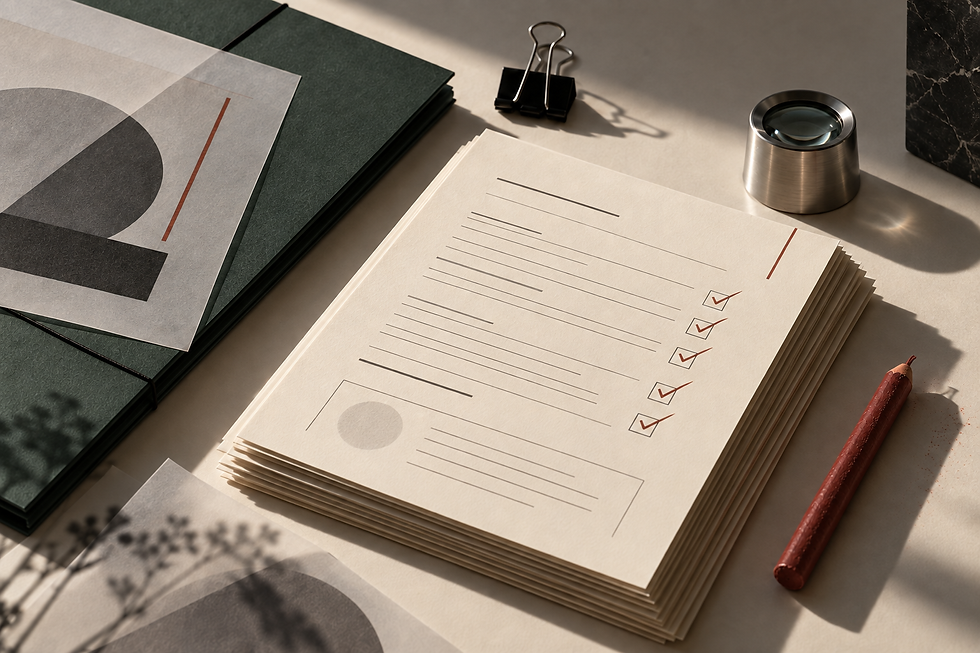
Final Artist Grant Proposal Checklist
Before submitting, confirm that:
You are eligible
The project dates are eligible
Every application question is answered
The narrative addresses the review criteria
The project can be summarized in one sentence
The audience and intended impact are clear
The timeline is realistic
The budget is accurate and balanced
Every narrative activity appears in the timeline and budget
Your artistic labor is represented appropriately
Work samples are strong and relevant
Titles, dates, materials, and descriptions are included
Links and passwords work
Required letters and permissions are attached
All files follow the requested format
Someone unfamiliar with the project has reviewed the application
The complete application has been saved outside the portal
You are submitting before the deadline
What Happens If You Are Not Funded?
A rejection does not automatically mean the project lacks value.
Peer-reviewed programs frequently rank more qualified applications than available budgets can support. The Canada Council for the Arts explains that applications may meet the assessment standard and still remain unfunded because of limited resources.
When possible:
Request reviewer feedback
Identify unclear or weak sections
Strengthen the work samples
Revise the timeline or scope
Correct budget weaknesses
Track the next funding cycle
Adapt the proposal for another genuinely aligned funder
A well-developed proposal remains useful. It can become the foundation for sponsorship requests, residency applications, exhibition proposals, crowdfunding campaigns, and future grants.
Frequently Asked Questions
How long should an artist grant proposal be?
Follow the application’s word or character limits exactly. If no length is provided, use the shortest version that fully explains the project, its importance, its execution, and the funding need.
Can emerging artists apply for grants?
Yes. Many programs are specifically designed for emerging artists. Demonstrate readiness through current work, a focused proposal, relevant experience, and a realistic plan—even if your exhibition history is still developing.
Should artists include their own fee?
Include an artist fee whenever the program permits it. Your creative and administrative labor has value and should be represented honestly.
Can one proposal be reused?
A strong master proposal can save time, but every application must be tailored to the funder’s eligibility rules, questions, priorities, terminology, and review criteria.
What is the difference between an artist statement and a grant proposal?
An artist statement explains your overall practice. A grant proposal presents a particular project or stage of professional development and explains how funding will make it possible.
What do grant reviewers look for?
Requirements differ, but reviewers commonly consider artistic strength, alignment, feasibility, timing, impact, work samples, and whether the applicant can responsibly complete the proposed work.
Your Proposal Starts With the Right Opportunity
Strong writing cannot transform the wrong grant into the right fit.
Begin by finding opportunities aligned with your discipline, location, career stage, project, and funding needs. Then build an application in which the narrative, timeline, budget, résumé, and work samples all support the same clear vision.
Explore current artist grants, fellowships, residencies, awards, and professional-development opportunities through OpenPalette.info.
Find the opportunity. Prepare with purpose. Present the work clearly.

Comments